 Skip to content
Dry ice blasting is a practical cleaning method for automotive molds, rubber molds, tire molds and production tooling. For factories, the main value is not only cleaner molds. It is less downtime, less manual scraping, less secondary waste and better protection for mold surfaces.

Equipment Selection and Quotation
For automotive mold cleaning, the final dry ice blasting equipment choice should match the mold material, residue type, compressed air capacity, cleaning frequency and working distance. Compare available machines on the DRYICEJET dry ice blasting equipment page. If you are preparing a purchase request, use the dry ice blasting equipment quotation checklist to send cleaning object photos, contamination details, air supply data and destination requirements.
otive and rubber mold factories clean residues without water, sanding media or chemical secondary waste.Automotive production uses many molds and fixtures that collect rubber residue, release agents, oil, carbon, adhesive and other deposits. Traditional cleaning methods such as manual scraping, solvents or abrasive blasting may require machine shutdown, mold disassembly or additional cleanup work.
This guide explains how dry ice blasting works for automotive mold cleaning, what benefits it brings, what affects cost and what equipment information buyers should prepare before requesting a quote.
Quick Buyer Checklist
- What type of mold do you clean: rubber, tire, plastic, PU, composite or metal tooling?
- What residue needs to be removed: rubber flash, release agent, oil, carbon, adhesive or paint?
- Can the mold stay in the machine, or must it be removed for cleaning?
- What compressed air pressure and air flow are available?
- Do you need precision nozzles for cavities, corners and small mold details?
1. Why Automotive Mold Cleaning Is Difficult
Automotive molds often work under heat, pressure and repeated production cycles. Over time, residues build up on mold surfaces, vents, cavities and edges. If residues are not removed, factories may see surface defects, longer cycle times, poor part quality and more unplanned downtime.
- Manual scraping can damage mold surfaces if operators apply too much force.
- Chemical cleaning may require ventilation, handling and drying time.
- Abrasive blasting can leave media residue and may wear delicate surfaces.
- Water-based cleaning may not be suitable near electrical or production equipment.
For B2B buyers, the cleaning method should reduce downtime while protecting mold value. This is why many maintenance teams compare dry ice blasting with traditional mold cleaning methods.
2. How Dry Ice Blasting Helps Mold Cleaning
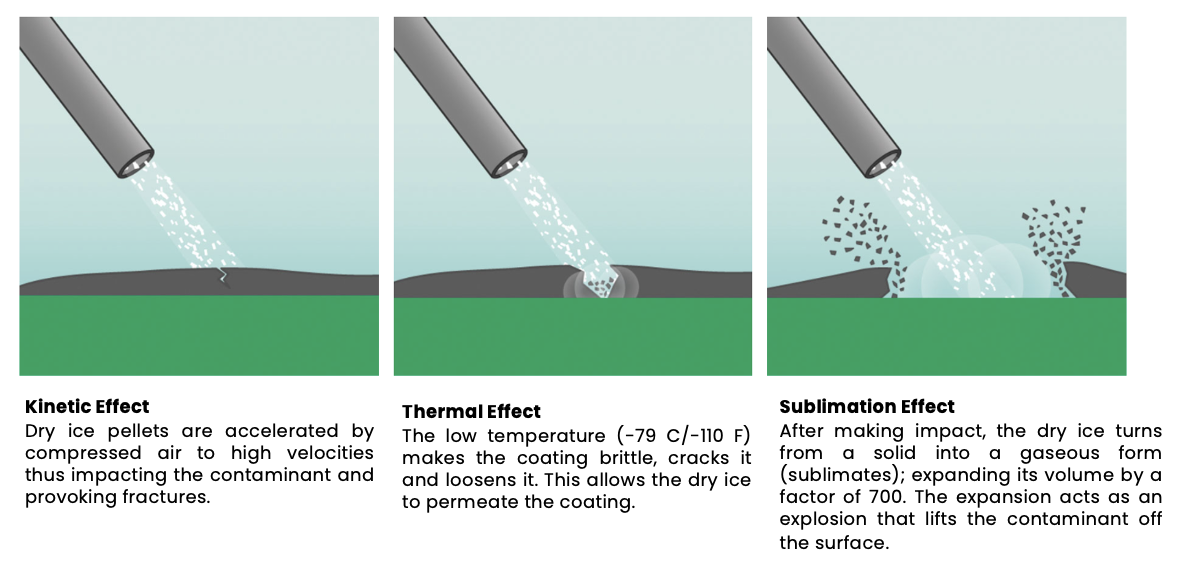
Dry ice blasting uses compressed air to accelerate dry ice pellets toward the surface. The pellets help loosen contamination, then sublimate into gas. This means the process does not leave sand, water or abrasive media behind.
- Waterless cleaning for production environments
- Non-abrasive cleaning for many mold surfaces
- Less secondary waste compared with sand or chemical cleaning
- Potential to clean molds in place, depending on the production line
- Useful for cavities, vents, edges and detailed tooling areas
For factories that clean molds frequently, dry ice blasting can help maintenance teams reduce manual work and restart production faster.
3. Benefits for Automotive and Rubber Mold Factories
The key benefit is not only cleaning quality. It is operational efficiency. A suitable dry ice blasting machine can help reduce the time needed for scheduled maintenance and emergency cleaning.
- Reduced downtime: Many molds can be cleaned faster than manual scraping.
- Surface protection: Dry ice blasting is non-abrasive for many industrial mold surfaces.
- Less cleanup: Dry ice sublimates, so there is no blasting media left on the floor or in cavities.
- Cleaner working environment: It can reduce chemical use and wet cleaning work.
- Better maintenance consistency: Operators can use controlled air and dry ice feed settings.
4. Equipment Selection for Mold Cleaning

Not every dry ice blaster is suitable for every mold cleaning job. Buyers should match the machine to the mold type, residue thickness, available air supply and daily cleaning schedule.
- For detailed mold cavities, choose precise dry ice feed control and suitable nozzles.
- For larger mold surfaces, check cleaning speed, air flow and hose length.
- For multiple workshop areas, consider a portable dry ice blasting machine.
- For frequent use, compare dry ice consumption and spare parts support.
You can review DRYICEJET’s industrial dry ice blasting machines to compare equipment options for factory cleaning.
5. Nozzles Are Important for Mold Details
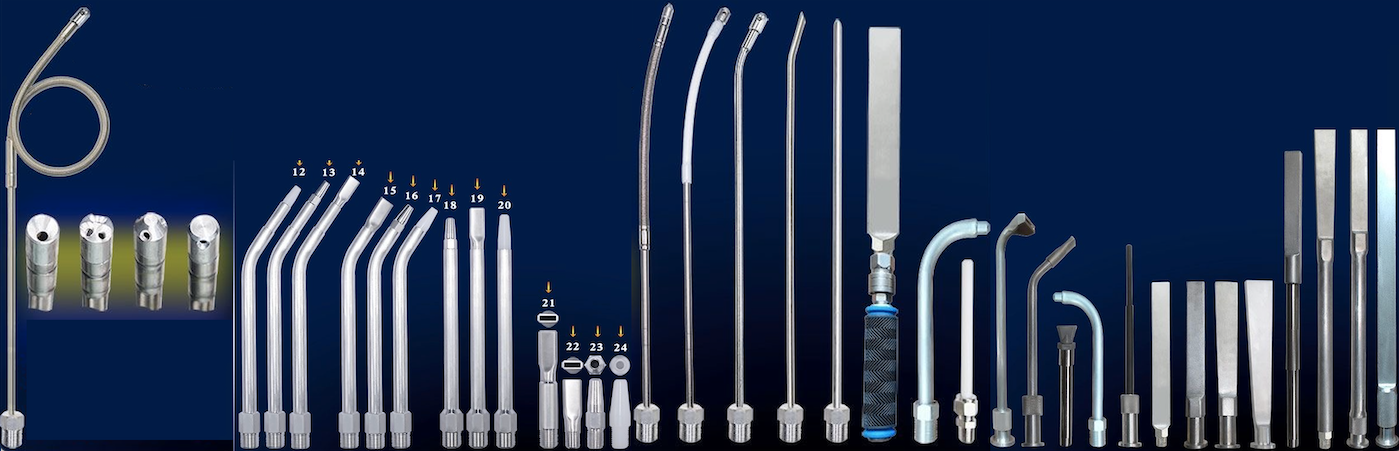
Mold cleaning often needs access to corners, vents, small cavities and complex surfaces. A standard nozzle may not be enough for every cleaning task. The right nozzle helps operators focus cleaning power without using unnecessary dry ice or air.
DRYICEJET provides dry ice blasting nozzles and accessories for different cleaning angles, surface sizes and air consumption requirements.
6. What Affects the Cost?
The cost of dry ice blasting for automotive mold cleaning depends on machine configuration, air supply, dry ice consumption, nozzle options and working time. A buyer should evaluate total operating cost, not only machine purchase price.
- Machine model and cleaning performance
- Compressed air pressure and air flow requirements
- Dry ice consumption per hour
- Nozzle and accessory configuration
- Cleaning frequency and working hours
- Shipping, documentation and supplier support
For more detail, read our guide on dry ice blasting machine price factors.
7. Information to Send Before Requesting a Quote
To get a suitable mold cleaning recommendation, send these details:
- Your industry and country
- Mold type and mold material
- Residue type and thickness
- Whether molds can be cleaned online or must be removed
- Available compressed air pressure and air flow
- Expected cleaning frequency and working hours
- Photos or videos of the mold and contamination if available
FAQ
Is dry ice blasting safe for automotive molds?
Dry ice blasting is non-abrasive for many mold surfaces, but the correct pressure, nozzle and dry ice feed rate should be selected according to the mold material and residue type.
Can dry ice blasting clean rubber molds without removing them?
In many cases, molds can be cleaned in place, depending on machine access, safety conditions and production line layout. This should be confirmed case by case.
Does dry ice blasting leave residue?
Dry ice sublimates into gas, so it does not leave blasting media. The removed contamination still needs to be collected or cleaned from the work area.
How do I choose a dry ice blaster for mold cleaning?
Start with mold type, residue, air supply and cleaning frequency. You can also read our guide on how to choose an industrial dry ice blasting machine.
Request a Mold Cleaning Equipment Recommendation
Tell us your mold type, residue, air supply and cleaning frequency. DRYICEJET will help recommend a suitable dry ice blasting machine and nozzle configuration for your automotive or rubber mold cleaning application.
